1. Advice
  2. Alternative Property Financing In Thailand - What You Need To Know
  3. Rent-to-Own
  4. Rent-to-Own In Hua Hin: A Practical Guide For Expats And Locals

Rent-to-Own in Hua Hin: A Practical Guide for Expats and Locals

FazWaz
Written by FazWaz
Niratchaphon Parnchoem
Edited by Niratchaphon Parnchoem
Panatda Choochuay
Reviewed by Panatda Choochuay
Rent-to-Own in Hua Hin: A Practical Guide for Expats and Locals – pastel beach and city horizon background with gentle waves and text overlay

Introduction: Why Hua Hin Is Popular for Long-Term Living

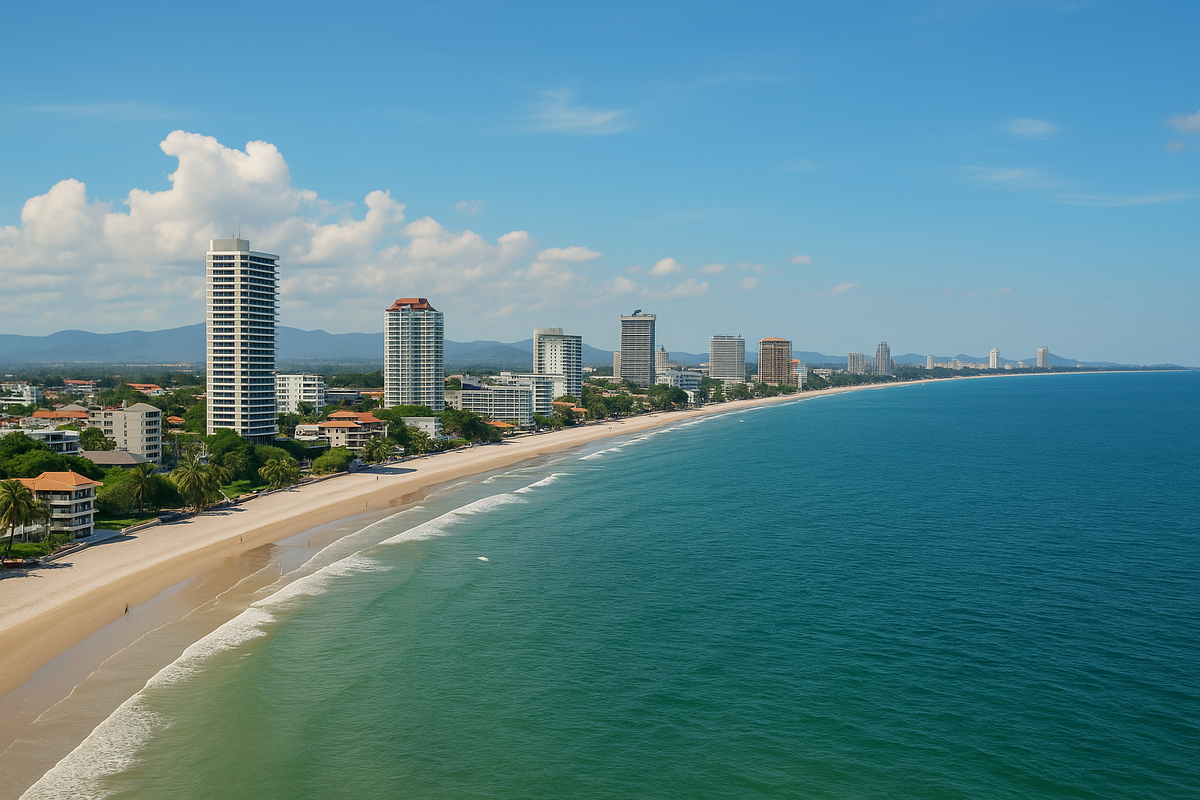
Hua Hin has long been one of Thailand’s most sought-after coastal towns. Located just a few hours’ drive from Bangkok, it offers the perfect balance of seaside relaxation, resort-style amenities, and urban convenience. Once known primarily as a royal retreat, Hua Hin has transformed into a thriving destination for retirees, long-term expats, and wealthy Thais seeking a second home.

The appeal is obvious: golf courses, international hospitals, a lively restaurant scene, year-round sunshine, and a calmer atmosphere compared to Pattaya or Phuket. With more than 10,000 expatriates and a large number of semi-retired Thai professionals calling Hua Hin home, demand for property remains steady. Villas, condominiums, and beachfront residences are the most sought-after, particularly among retirees and lifestyle buyers.

Yet despite this demand, many prospective buyers hit the same frustrating wall: financing. Foreigners rarely qualify for Thai mortgages, and even Thai nationals are experiencing higher loan rejection rates due to stricter debt-to-income rules. That’s where Rent-to-Own (RTO) enters the picture, offering a practical and secure pathway to property ownership in Hua Hin without relying on traditional bank loans.


Browse Rent-to-Own Homes in Hua Hin

 
Hua Hin Property Market Context

Hua Hin’s property market has unique characteristics compared to Bangkok, Phuket, or Pattaya.

  • Condominiums: The town has seen numerous condo developments along the beachfront and near the city center. While demand is steady, some projects still face oversupply, particularly mid-tier condos targeting Bangkok weekenders. This creates opportunities for RTO deals as developers look for creative ways to move inventory.

  • Villas: The villa market in Hua Hin is especially strong, driven by retirees—both Thai and foreign—who prefer more space, privacy, and a garden lifestyle. Western-style villas in gated communities are highly popular, with prices ranging from ฿6 million to ฿20 million.

  • Buyer Demographics: Foreign retirees make up a significant portion of buyers, many of whom receive pensions or offshore income that Thai banks do not recognize. On the Thai side, middle-class and upper-middle-class buyers often face stricter affordability checks from banks, making non-bank financing models more attractive.
    In short, Hua Hin has both buyer demand and unsold inventory, making it fertile ground for Rent-to-Own arrangements. Sellers gain a serious buyer base, while buyers gain a secure entry point into ownership without being blocked by bank rejections.

 
What Is Rent-to-Own and How It Works in Hua Hin

Rent-to-Own is a financing arrangement where a buyer moves into a property immediately, pays an upfront deposit, and then makes monthly installment payments over a set period. At the end of the contract, once all agreed payments are complete, the property title transfers to the buyer.

  • Condos in Hua Hin: Foreign buyers can own freehold condos outright, as long as the project’s foreign quota (49% of units) is not already filled. Rent-to-Own allows foreigners to secure a condo today, with ownership officially transferred once the contract is completed.

  • Villas in Hua Hin: Foreigners cannot directly own land, but they can own the villa structure. Typically, RTO for villas is structured through a long-term lease (30 years, renewable) with an option to purchase, or via a Thai company structure. Thai nationals, on the other hand, can own villa land outright.

  • Typical RTO Terms in Hua Hin:
    • Deposit: 20–30% of the purchase price.
    • Contract term: Usually 1–5 years, though sometimes longer.
    • Monthly installments: Market rent, with a portion credited toward the purchase.
    • Ownership transfer: At the end of the contract, title is transferred (for condos) or a long-term lease/ownership structure is finalized (for villas).

This model benefits both sides. Buyers secure housing while building equity, and sellers attract committed buyers without waiting indefinitely for a cash purchase.

 
Why Rent-to-Own Makes Sense in Hua Hin

Hua Hin’s demographics and housing market make it one of the best places in Thailand to adopt RTO.
  • For foreigners: Banks rarely approve mortgages for non-residents. Even long-term expats face strict requirements. RTO provides a direct way to bypass banking hurdles and secure a home using offshore income or savings.

  • For retirees: Many retirees have sufficient monthly income but do not meet Thai mortgage criteria. RTO allows them to enjoy homeownership without exhausting all their savings upfront.

  • For Thais rejected by banks: Rising household debt and stricter debt-to-service ratios have increased loan rejections even for locals. RTO offers flexibility for buyers who can manage payments but don’t pass bank thresholds.

  • For sellers and developers: Hua Hin has a competitive real estate market, with unsold condos and villas sitting on the market. Rent-to-Own attracts qualified buyers who may otherwise be stuck renting. Sellers benefit from steady income and a committed buyer.
    In short, RTO fits the lifestyle-driven market of Hua Hin, where many buyers want to live in their chosen property immediately but face barriers to traditional financing.

 
Legal and Practical Considerations

Rent-to-Own in Hua Hin works within Thailand’s property laws, but buyers should be aware of the following:

  • Condo ownership: Foreigners can buy freehold condos outright, provided the building’s foreign quota allows it. The RTO agreement should specify that ownership will transfer once the contract is complete.

  • Villa ownership: Foreigners can’t directly own land but can hold long-term lease rights (up to 30 years). RTO agreements for villas should clarify whether the deal is structured as a registered lease with an option to buy the structure, or via a Thai company.

  • Lease registration: Any lease longer than three years must be registered at the Land Department. This ensures enforceability.

  • Contracts: RTO contracts should always be drafted by a property lawyer. They should detail the purchase price, deposit, monthly installment schedule, and what happens in the event of default.

While RTO in Hua Hin is legally recognized, it requires clear paperwork and proper registration to ensure buyer protection.

 
Step-by-Step: Securing a Rent-to-Own Home in Hua Hin

  1. Search for RTO properties: Look for developers or sellers offering RTO terms. FazWaz lists eligible condos and villas in Hua Hin under its Rent-to-Own program.
  2. Negotiate terms: Agree on the deposit amount, installment schedule, and total contract length.
  3. Sign contracts: Work with a lawyer to draft or review contracts to ensure compliance with Thai law.
  4. Register leases (if applicable): For villas or longer-term lease structures, register at the Land Department.
  5. Move in and pay installments: Begin living in the property and making payments as agreed.
  6. Finalize transfer: Once all payments are complete, ownership is transferred (condos) or the lease/ownership structure is formalized (villas).
     

Who Benefits Most from RTO in Hua Hin?

  • Foreign retirees: With stable pensions but limited financing options, retirees can move into their preferred property without paying everything upfront.
  • Bangkok professionals: Many Thais from Bangkok purchase second homes in Hua Hin. RTO lets them secure property without full cash or strict bank approval.
  • Developers: Especially those with unsold condo inventory. Offering RTO can attract new demand.
  • Foreign professionals: Expats working remotely or self-employed abroad, whose income isn’t recognized by Thai banks, but who can still meet RTO terms.
     

Risks and How to Protect Yourself

While Rent-to-Own is safe when properly structured, buyers should be mindful of risks:

  • Forfeiture risk: If you fail to complete payments, you may lose your deposit.
  • Quota issues: For condos, always confirm the foreign quota availability.
  • Leasehold risks for villas: Renewals beyond 30 years are not guaranteed under Thai law.
  • Seller defaults: Ensure the property has no mortgage or encumbrance. Using escrow services adds security.

With proper due diligence, these risks are manageable, and FazWaz’s standardized contracts provide further safeguards.

 
Conclusion: Why Hua Hin Is Ideal for Rent-to-Own

Hua Hin is uniquely positioned as one of Thailand’s best Rent-to-Own markets. It has strong expat demand, a high proportion of retirees, and a steady supply of villas and condos. Yet at the same time, strict lending rules limit access to traditional bank mortgages for both foreigners and locals. Rent-to-Own bridges that gap.

For buyers, RTO offers immediate move-in, equity building, and a clear path to ownership. For sellers and developers, it provides a way to secure committed buyers and reduce unsold inventory. With proper legal safeguards, it’s a win-win arrangement.

👉 Ready to explore Rent-to-Own opportunities in Hua Hin? Browse FazWaz’s dedicated listings today and take the first step toward owning your dream home by the beach.

See All Hua Hin Properties with Rent-to-Own Options

Previous Article
Rent-to-Own in Chiang Mai: A Practical Guide for Expats and Locals
Next Article
Rent-to-Own in Koh Samui: A Villa Buyer’s Guide for Expats
  • Fazwaz Group Sites www.fazwaz.cn www.fazwaz.ru www.fazwaz.fr www.fazwaz.de www.fazwaz.es www.fazwaz.jp www.fazwaz.co.kr